

 +1 888 715 4270
Publishing a children’s book can feel exciting and confusing at the same time. You may have a sweet bedtime story, a funny animal adventure, or a lesson you want children to remember, but turning that idea into a real book takes more than writing a few pages.
The process becomes much easier when you break it into clear steps. This blog post explains how to publish a children’s book in simple words, so you can understand what happens from the first story idea to the moment your book reaches young readers.
Start With a Story That Children Will Care About
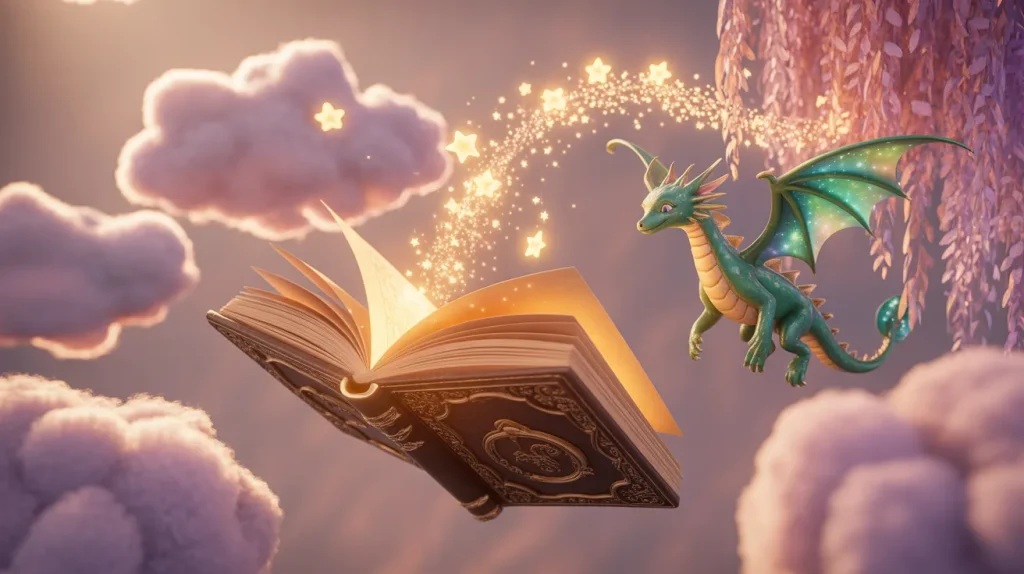
Every children’s book begins with an idea. Maybe your idea is about a shy dragon, a brave little girl, a talking tree, or a child who learns to share.
The idea does not need to be complicated. In fact, many great children’s books are built around simple ideas that children can understand quickly.
What matters most is the feeling behind the story. Children enjoy books that make them laugh, wonder, feel safe, or feel brave.
Parents and teachers also look for stories that offer meaning without sounding like a lecture. A strong children’s book usually has a clear character, a simple problem, and an ending that feels complete.
Before you think about publishing, ask yourself a few questions.
- Who is the main character?
- What does the character want?
- What problem gets in the way?
- What changes by the end?
These answers help shape your story.
Many people search for how to publish a children’s book and jump straight to printing or selling. But the real process starts earlier. It starts with writing a story that children will actually want to hear again.
Know the Age Group Before You Write Too Much
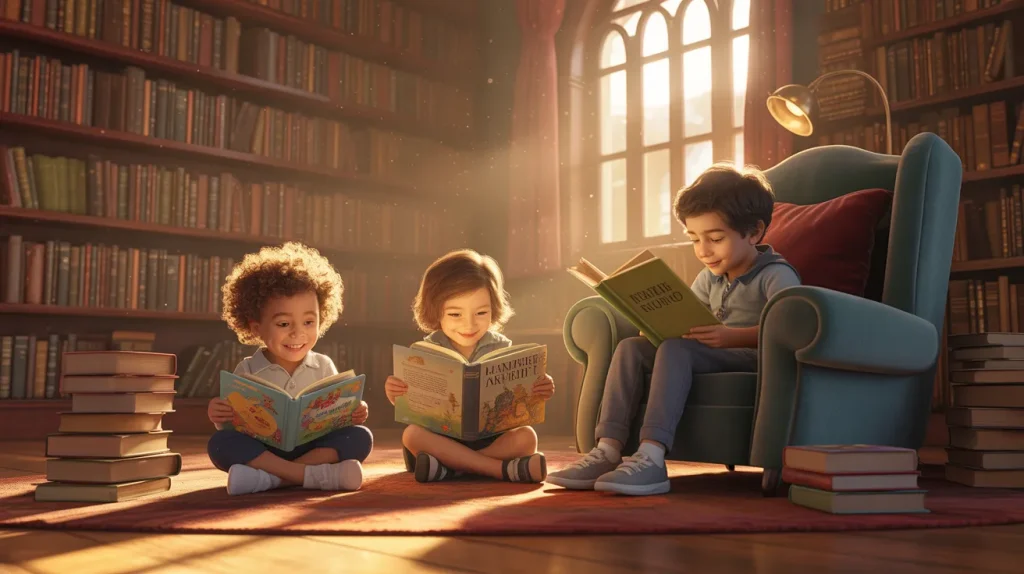
Children’s books are not all the same. A book for a three-year-old is very different from a book for a ten-year-old. So, before you go too far, decide who your reader is.
Picture books are often for younger children. They use fewer words and depend heavily on illustrations. Early reader books help children who are just learning to read by themselves.
Chapter books are for children who can follow longer stories. Middle-grade books usually work for kids around ages eight to twelve.
Knowing the age group helps you choose the right word count, sentence length, theme, and style. A toddler may enjoy rhyme, repetition, and bright pictures. An older child may enjoy mystery, humor, adventure, or emotional growth.
Imagine one child sitting in front of you while you write. Think about what that child would understand. Think about what would make that child smile, ask questions, or turn the page. This keeps your writing focused.
Write the First Draft Without Chasing Perfection
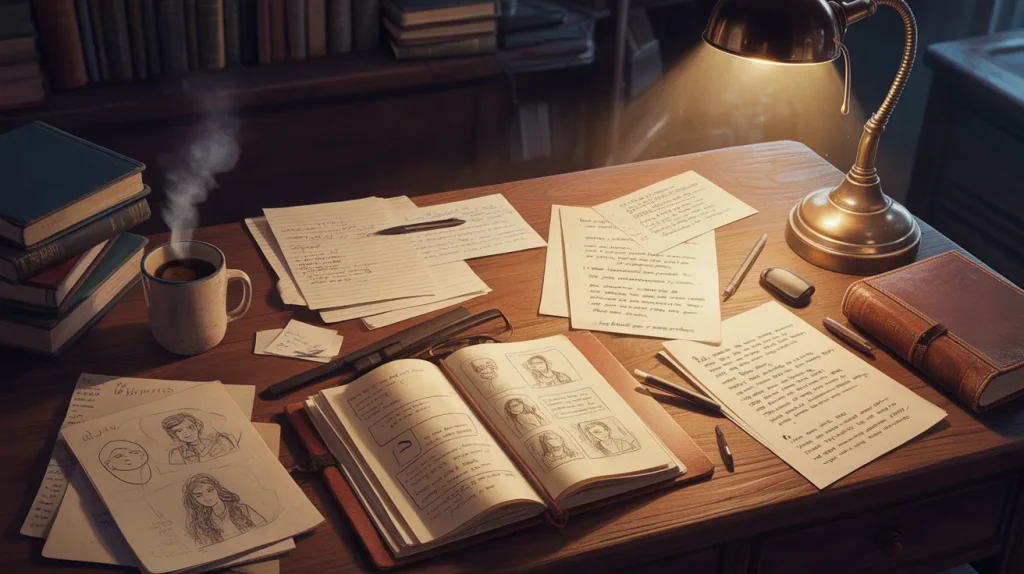
Your first draft does not need to be perfect. It only needs to be written. Many writers stop because they try to fix every sentence before the story is finished. That makes writing harder than it needs to be.
Let the story come out first. Write the beginning, middle, and end. You can improve the words later. The first draft gives you something to shape.
Children’s books may look easy because they have fewer words, but they need careful writing. Every sentence has to do a job.
It should move the story forward, show character, create emotion, or help the reader understand what is happening.
Use the active voice as much as possible. Instead of writing, “The cake was eaten by the bear,” write, “The bear ate the cake.” Active sentences feel clearer and more fun.
This stage is a big part of how to publish a children’s book, because publishing cannot fix a weak story. A strong draft gives you the foundation for everything that comes next.
Revise Until the Story Feels Clear and Smooth
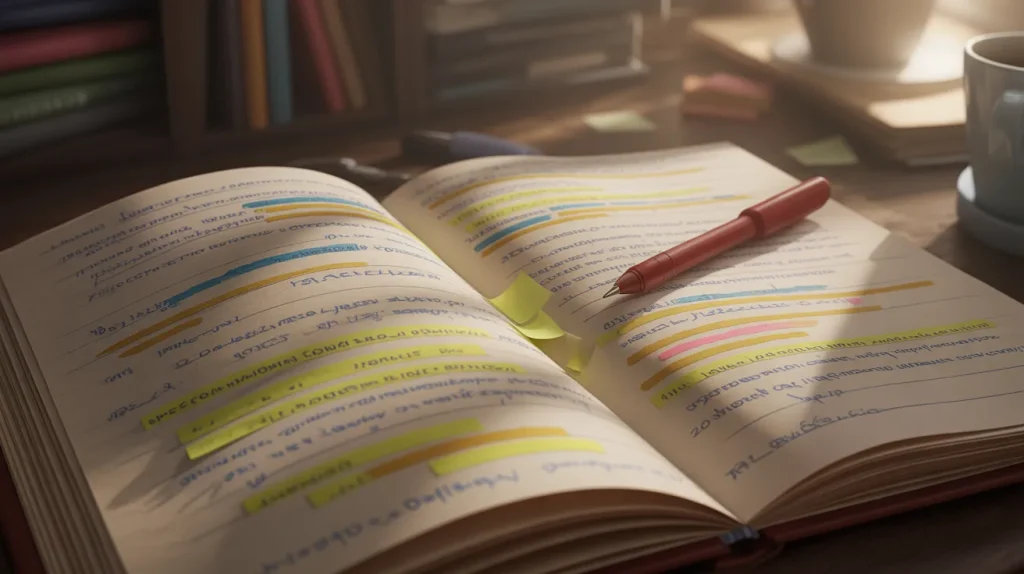
Revision means improving your story after the first draft. This is where your book becomes stronger. Even professional writers revise many times.
Read your story out loud. This helps you hear clunky sentences, boring parts, or words that feel too hard for the age group.
Children’s books need rhythm, and if a sentence feels awkward to say, it may be hard for a child to follow.
Look at your story carefully. Does the beginning pull readers in? Does the main character face a clear problem? Does the story move forward without dragging? Does the ending feel satisfying?
You can also ask someone else to read it. Choose a person who will be honest and helpful. Better yet, ask someone who spends time with children, such as a parent, teacher, librarian, or children’s book editor.
When revising, check these things:
- Is the story easy to understand?
- Does each page have a purpose?
- Are there too many words?
- Does the ending feel strong?
- Would a child want to hear it again?
Revision takes patience, but it is one of the most important steps.
Decide If Your Book Needs Illustrations
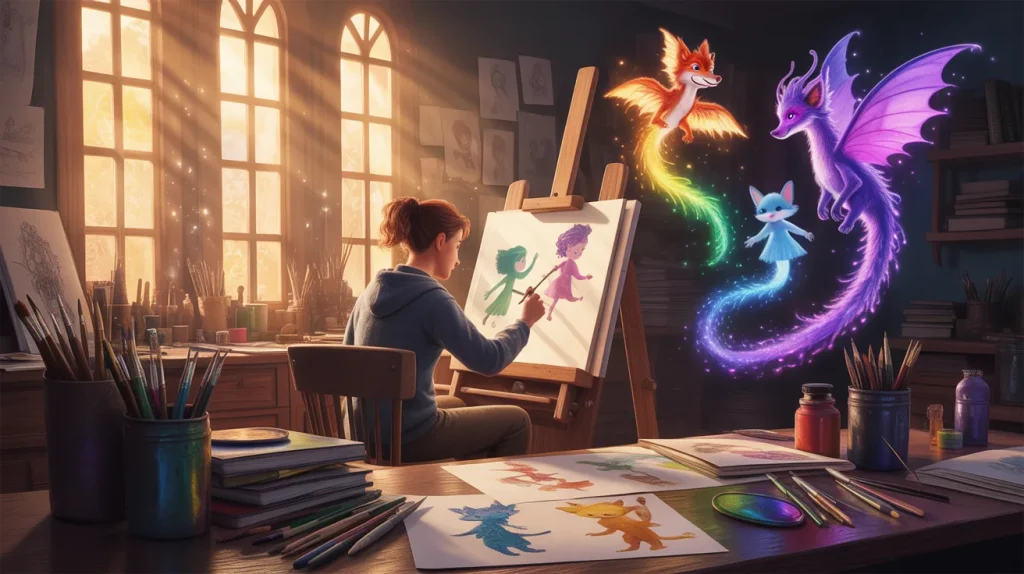
Most children’s books, especially picture books, need illustrations. Pictures are not just decoration. They help tell the story. Sometimes the picture shows something funny or important that the words do not say.
If you want traditional publishing, you usually do not need to hire an illustrator yourself. Many traditional publishers choose the illustrator if they accept your manuscript. They do this because they understand the market and know what art style may fit the book.
If you choose self-publishing, you will probably need to hire your own illustrator. This can be one of the highest costs. Look for an artist who understands storytelling, not just drawing.
The characters should show emotion. The pages should feel connected. The art should match the mood of your story.
Do not rush this step. Children often notice the pictures before they notice the words. Strong illustrations can make your book feel professional and memorable.
When learning how to publish a children’s book, many new authors forget how important the artwork is. For young readers, the pictures are often the doorway into the story.
Choose Traditional Publishing or Self Publishing

After your manuscript feels strong, you need to choose a publishing path. Most children’s book authors choose either traditional publishing or self-publishing.
Traditional publishing means a publishing company accepts your book and helps bring it to readers. The publisher may handle editing, illustration, design, printing, distribution, and some marketing. You usually do not pay them. Instead, they pay you through royalties and sometimes an advance. This path can be powerful, but it can also take a long time.
Self-publishing means you publish the book yourself. You control the story, illustrations, design, price, timeline, and marketing.
You also pay for the work needed to create the book. This gives you more freedom, but it also gives you more responsibility.
Neither path is perfect for everyone. Traditional publishing may be better if you want industry support and wider bookstore access. Self-publishing may be better if you want more control and a faster release.
Understanding this choice is central to how to publish a children’s book, because the next steps depend on the path you pick.
Prepare Your Manuscript for Traditional Publishing
If you choose traditional publishing, you may need a literary agent. Many large publishers do not accept manuscripts directly from authors. An agent helps send your book to publishers and negotiate contracts.
To contact an agent, you usually send a query letter. A query letter is a short professional message about your book. It should include the title, age group, word count, short summary, and a little about you.
Keep the letter clear and respectful. Agents read many messages, so do not make yours too long. Follow each agent’s rules carefully. Some want the full manuscript. Some want only a few pages. Some want a short pitch.
Rejection is normal in traditional publishing. It does not always mean your book is bad. Sometimes the agent already has a similar story. Sometimes the timing is not right. Sometimes the manuscript needs more work.
Keep improving. Keep learning. Keep sending carefully chosen submissions.
Prepare Your Book for Self-Publishing

If you choose self-publishing, you become the publisher. That means you need to make sure the book looks and reads professionally.
Start with editing. A children’s book editor can help with story flow, word choice, pacing, and age level. Even short books need editing because every word matters.
Next comes illustration and book design. The words and pictures must work together. Page turns matter in children’s books. A good page turn can create surprise, laughter, or curiosity.
You also need a strong cover. The cover should attract children and adults. Children may notice the colors and characters first. Adults may look for quality, topic, and trust.
Before publishing, proofread carefully. Check spelling, page order, image quality, spacing, and cover details. Small mistakes can make a book look unfinished.
This is why publishing a children’s book is not only about writing. It is also about creating a complete reading experience.
Pick the Right Format and Printing Option
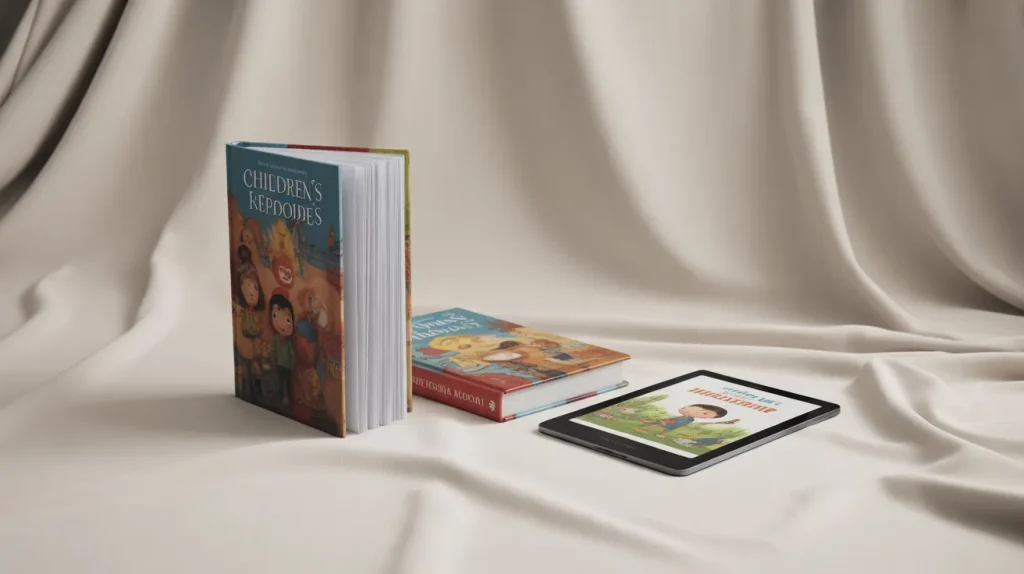
Children’s books can come in many formats. You might choose an ebook, paperback, hardcover, or board book. Each format works differently.
Ebooks are easier to produce, but many families still prefer printed children’s books. Paperbacks are usually cheaper to print.
Hardcovers feel more special and last longer. Board books are great for babies and toddlers, but they cost more to make.
For picture books, size matters too. A larger book can show the artwork beautifully. A smaller book may cost less. Full color printing also costs more than black and white printing, so plan your budget before choosing.
Always order a proof copy before selling the book. A proof copy is a sample. Hold it in your hands and check everything. Look at the colors, margins, text size, cover, and page order.
A proof helps you catch problems before readers see them.
Set a Fair Price for Your Book
Pricing matters because it affects both sales and profit. If your book is too expensive, people may not buy it. If it is too cheap, you may earn very little.
Look at other children’s books like yours. Compare format, page count, size, and quality. A short paperback should not cost the same as a large hardcover unless the quality supports the price.
If you self-publish, the printing cost will affect your price. A full-color picture book can cost more to print, which may reduce your profit. You may need to adjust the size, page count, or format to make the price work.
If you publish traditionally, the publisher usually sets the price. Still, it helps to understand how pricing works because it affects your royalties and sales.
This step is often missed by people learning how to publish a children’s book, but it matters a lot.
Plan a Simple Book Launch
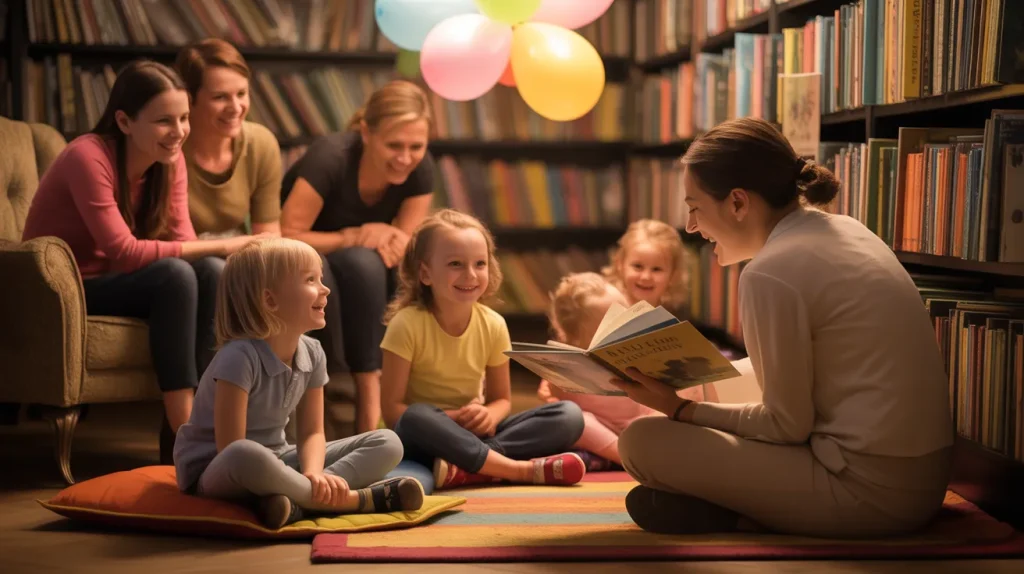
A book launch helps people notice your book when it becomes available. You do not need a huge party. You need a clear plan.
Start by explaining what your book is about and who it is for. Share why you wrote it. Parents and teachers often connect with the purpose behind a children’s book.
You can prepare simple launch materials, such as a book description, sample pages, an author photo, social media posts, a read-aloud video, and printable activities for kids.
Reach out to people who may care about the book. This can include schools, libraries, parenting blogs, local newspapers, bookstores, and family groups. Some may not reply, but some may be interested.
Ask early readers for honest reviews. Reviews help new buyers trust your book.
A launch does not end in one day. Keep sharing your book in useful and friendly ways.
Market the Book to the Right People
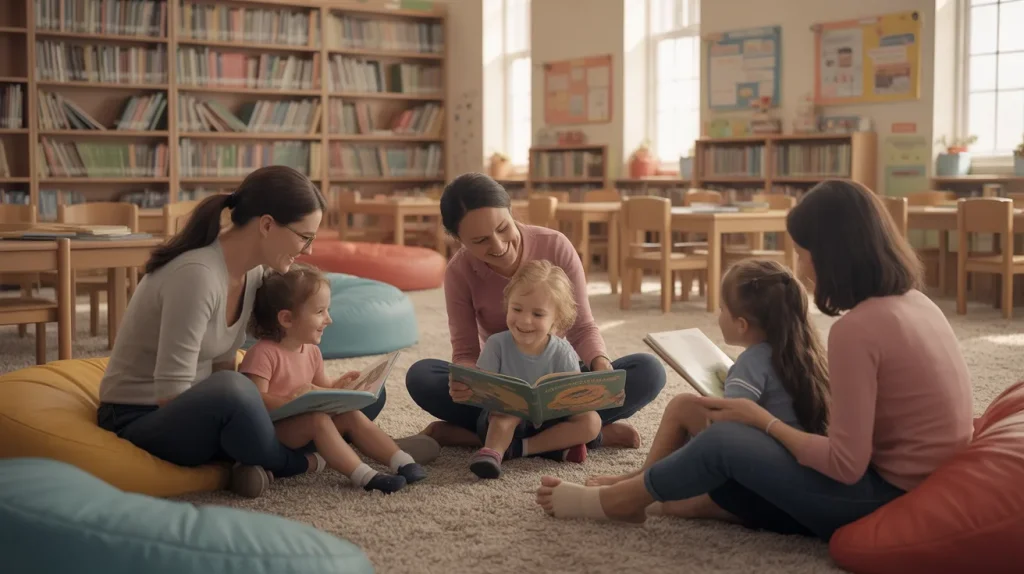
Marketing means helping the right readers find your book. For children’s books, the readers are kids, but the buyers are usually adults. Parents, grandparents, teachers, librarians, and gift buyers are important.
Think about what your book gives them. Does it help with bedtime? Teach kindness? Build confidence? Explain big feelings? Spark imagination? Use that message when you talk about the book.
Do not only say, “Buy my book.” Share helpful ideas too. You can post tips about reading with children, choosing books by age, or making story time fun. Then mention your book when it fits naturally.
This makes publishing a children’s book easier to understand as a full journey. The job does not end when the book goes live. People still need to discover it.
Avoid Common Beginner Mistakes
New authors often make simple mistakes. The first mistake is writing for every child. No book is for every child. Pick a clear age group.
Another mistake is using too many words. Children’s books need focus. Cut anything that does not help the story.
Some writers explain the lesson too strongly. Children do not want a lecture. Let the message come through the story.
Do not rush the cover or illustrations. A weak design can hurt a good story. Also, do not wait until launch day to think about marketing. Start building interest earlier.
Avoiding these mistakes helps you move forward with more confidence.
Conclusion
Publishing a children’s book takes creativity, patience, and planning. You begin with an idea, turn it into a clear story, revise it, choose a publishing path, create the final book, and share it with readers.
The best children’s books use simple words but respect children’s feelings and intelligence. They entertain, comfort, teach, or inspire without becoming dull.Now that you understand how to publish a children’s book, you can take the process one step at a time. Write the story with care. Improve it with patience. Choose the path that fits your goals. Most importantly, remember the child who may one day hold your book, turn the pages, and fall in love with the world you created.
Frequently Asked Questions
What Is the First Step in Publishing a Children’s Book?
The first step is creating a clear story idea for a specific age group. Before thinking about printing or selling, you need to know who your book is for, what the story is about, and why a child would enjoy reading it.
It depends on your publishing path. If you choose traditional publishing, the publisher often selects the illustrator. If you self-publish, you usually need to hire an illustrator yourself, especially for picture books.
The timeline can vary. Self-publishing may take a few months if your manuscript, illustrations, editing, and design move smoothly. Traditional publishing often takes much longer, sometimes a year or more, because it includes querying, contracts, editing, production, and distribution.
Choose self-publishing if you want more creative control, faster publishing, and full responsibility for costs and marketing. Choose traditional publishing if you want professional industry support, wider distribution, and do not mind waiting longer.
The cost depends on editing, illustrations, design, formatting, printing, and marketing. Self-publishing can cost anywhere from a few hundred dollars to several thousand dollars, especially if the book needs full-color illustrations. Traditional publishing usually does not require the author to pay up front.
Your work is generally protected by copyright as soon as you create it in a fixed form, such as a written manuscript. However, officially registering the copyright can give you stronger legal protection if someone copies your work.
Choose the age group that best fits your story. Picture books usually target younger children, early readers suit children learning to read, chapter books work for growing independent readers, and middle-grade books are often for ages eight to twelve.
To find a publisher, research children’s book publishers and literary agents who accept your type of manuscript. Many large publishers only accept submissions through agents, so you may need to send a query letter to agents first.
Yes, you can publish a children’s book without prior experience. However, you should learn the basics of children’s writing, editing, illustration, publishing formats, and marketing so your book feels professional and reaches the right readers.
Common mistakes include writing without a clear age group, using too many words, making the story too preachy, skipping professional editing, rushing illustrations, choosing a weak cover, and waiting until after publication to start marketing.
Ready to Publish Your Children’s Book?
Publishing a children’s book is more than just writing a story. It’s about shaping an idea into something children can enjoy, understand, and remember. From story flow to structure to final publishing, every step needs the right direction.
That’s where our Book Publishing Service comes in. We help you turn your idea into a properly finished children’s book that feels natural, engaging, and ready for readers.
The kind of story that doesn’t just stay on paper it becomes something children actually enjoy reading again and again.
Bring Your Children’s Book Idea to Life
Have an idea in mind? Let’s talk about it.
Get Your Free Quote and we’ll help you turn your idea into a properly written children’s book.